
Recently added item(s)
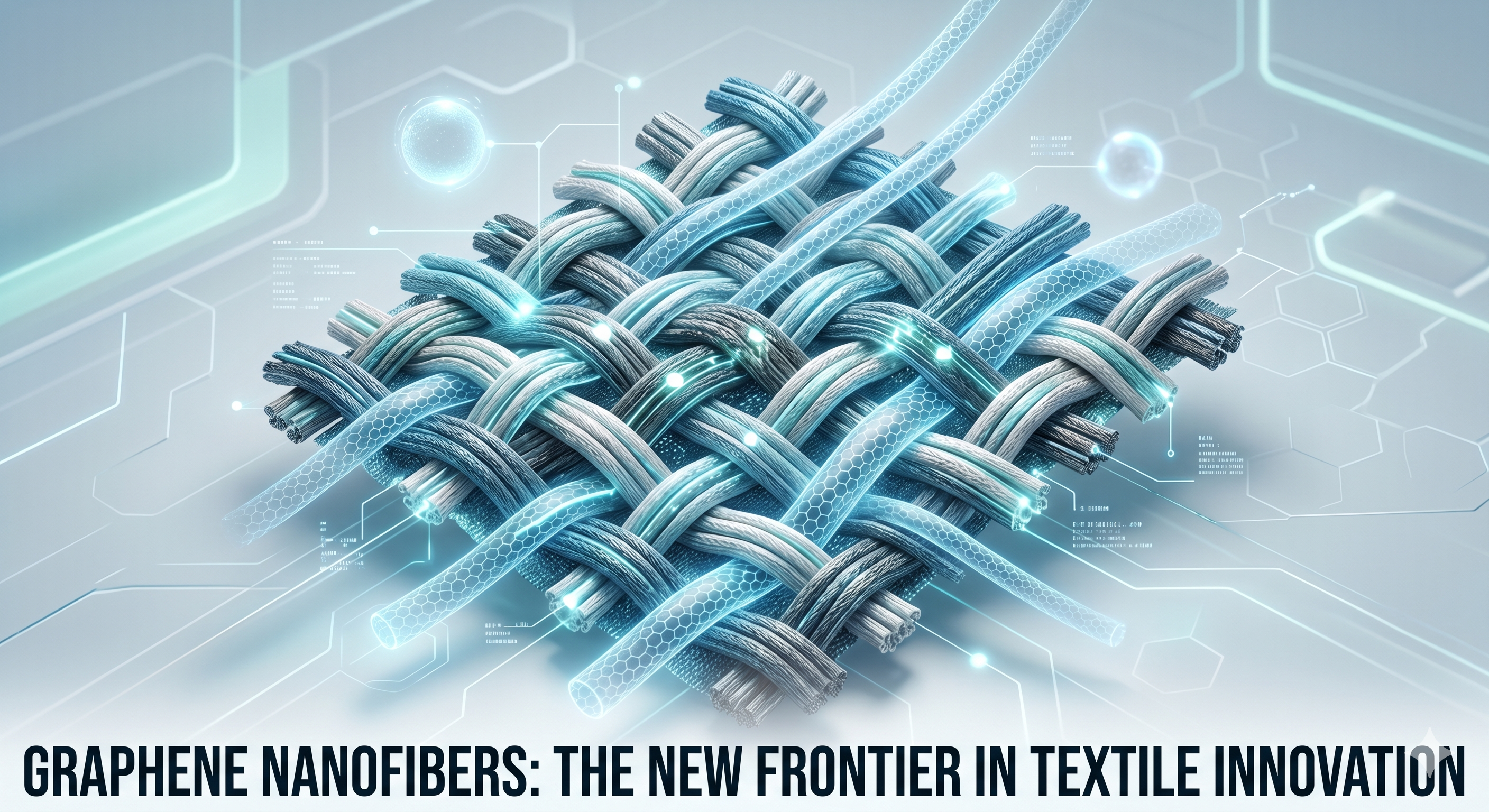
For thousands of years, textiles have served two primary purposes: protection and aesthetics. From the wool wraps of ancient civilizations to the synthetic polyesters of the 20th century, the evolution of clothing has been steady but largely focused on comfort and durability. However, we are entering an era where our clothes will do much more than just cover our skin. The integration of Graphene Nanofibers (GNFs) is transforming textiles into “intelligent skins” capable of monitoring health, regulating temperature, and even communicating with our devices.
As we move through 2026, the convergence of nanotechnology and the garment industry has moved from speculative laboratory prototypes to high-performance commercial products. Graphene nanofibers represent the cutting edge of this movement, offering a unique combination of strength, conductivity, and biological compatibility that traditional fibers simply cannot match.
What are Graphene Nanofibers?
To understand the innovation, we must distinguish between standard graphene and graphene nanofibers. While traditional graphene consists of a single layer of carbon atoms in a hexagonal lattice (2D), Graphene Nanofibers (GNFs) are quasi-one-dimensional carbon nanomaterials. They consist of stacked graphene cones or “cups” that form a fiber-like structure.
This structural difference is crucial for textiles. While 2D graphene sheets are difficult to integrate into fabrics without making them stiff or brittle, nanofibers can be woven, knitted, or spun into traditional yarns. They bring the “superpowers” of graphene—extraordinary thermal conductivity, electrical sensing, and mechanical strength—into a form factor that feels like traditional cloth.
The Manufacturing Breakthrough: Electrospinning the Future
One of the most significant hurdles in textile innovation was finding a way to produce these fibers at a scale and cost that made sense for the fashion and industrial workwear industries. The solution has arrived in the form of advanced Electrospinning.
In this process, a polymer solution containing graphene is subjected to a high-voltage electric field. This pulls the liquid into incredibly fine threads—often less than 100 nanometers in diameter. By carefully controlling the concentration of graphene within these fibers, manufacturers can create “masterbatch” yarns that are then blended with natural fibers like cotton or silk.
Recent research published in early 2026 highlights a new “green electrospinning” technique that uses water-based solvents instead of harsh chemicals, making the production of GNF textiles significantly more sustainable and safer for workers in the global supply chain.
Smart Textiles and the Rise of Wearable Tech
The most exciting application of GNF-enhanced textiles is in the realm of wearable electronics. Because graphene is a superb conductor of electricity, GNF threads can act as sensors without the need for bulky wires or external metal components.
1. Physiological Monitoring
GNF-integrated fabrics can monitor a wearer’s heart rate, respiration, and body temperature in real-time. Unlike current smartwatches, which rely on a single point of contact on the wrist, a GNF-enhanced shirt provides a “whole-body” data stream. This is particularly vital for high-performance athletes and patients in post-operative care.
2. Gesture Recognition and Human-Machine Interface
By measuring the minute changes in electrical resistance as a fabric stretches (the piezoresistive effect), GNF textiles can “sense” movement. This allows for the creation of smart gloves that can control software or robotic limbs, or even athletic gear that provides real-time feedback on a person’s form during a workout.
Thermal Management: Passive Cooling and Active Heating
Graphene is world-renowned for its thermal conductivity. In the textile world, this translates to unparalleled climate control.
-
Passive Cooling: GNF-treated fabrics can dissipate body heat much faster than traditional synthetics. By pulling heat away from the skin and spreading it across the surface area of the garment, graphene helps maintain a stable body temperature in extreme heat.
-
Active Heating: Conversely, because GNFs are conductive, a very low-voltage current (from a small, flexible battery) can be passed through the fibers to generate heat. This creates lightweight, thin jackets that provide the warmth of a heavy parka without the bulk.
Recent studies in 2025 have shown that GNF-enhanced winter wear can reduce energy consumption for personal heating by up to 40%, as users can stay warm in lower ambient temperatures without relying on space heaters.
Health and Antibacterial Properties: The Medical Frontier
Beyond electronics and heat, Graphene Nanofibers are making waves in medical textiles and clinical applications. Graphene is naturally antimicrobial. The sharp edges of graphene nanoplatelets within the fibers can physically disrupt the cell membranes of bacteria, preventing them from colonizing the fabric.
Clinical Research and Wound Care
A series of clinical trials conducted between 2024 and 2026 have investigated the use of GNF-embedded bandages for chronic wound healing, such as diabetic ulcers. The research indicates two major benefits:
-
Infection Control: The fibers prevent bacterial growth without the need for antibiotics, reducing the risk of drug-resistant “superbugs.”
-
Electrical Stimulation: Low-level electrical cues delivered through the GNF matrix have been shown to accelerate cell migration to the wound site, speeding up the healing process by an average of 25%.
Advantage-Risk Assessment: A Balanced Evaluation
As with any transformative technology, the integration of Graphene Nanofibers into the textile industry requires a careful assessment of its benefits versus its potential drawbacks.
The Advantages
-
Durability: GNFs significantly increase the tensile strength of fabrics, making them resistant to tearing and abrasion. This extends the lifecycle of the garment, promoting a “slow fashion” ethos.
-
Multi-Functionality: A single GNF garment can provide UV protection, antibacterial properties, and physiological sensing simultaneously.
-
Lightweight Design: Graphene’s properties are so potent that only a small amount is needed, allowing for high-performance gear that is incredibly thin and breathable.
-
Energy Efficiency: From thermal management to replacing bulky electronic components, GNFs reduce the overall energy footprint of our lifestyle.
The Risks and Challenges
-
Nanoparticle “Shedding”: One of the primary environmental concerns is whether GNF particles can be released into the water system during washing. Research is ongoing to ensure that the graphene is chemically “locked” into the polymer matrix of the fiber to prevent environmental contamination.
-
Cost of Production: While electrospinning has scaled, GNF textiles remain more expensive than standard polyester or cotton. For now, they are largely confined to the high-end athletic, medical, and military sectors.
-
Regulatory Hurdles: Because GNFs interact with the skin and can deliver electrical signals, they often fall between the categories of “apparel” and “medical device,” leading to complex certification processes.
-
Recycling Complexity: Separating nanomaterials from blended fabrics at the end of a garment’s life is a technical challenge that the recycling industry is not yet fully equipped to handle.
The Path Toward Global Adoption
The future of Graphene Nanofibers in textiles is inextricably linked to the concept of the Internet of Bodies (IoB). As AI assistants become more integrated into our daily lives, the data provided by our clothing will become the primary way we interact with our environment.
By the end of this decade, we expect to see “smart workwear” become standard in hazardous industries. Construction workers, firefighters, and chemical plant operators will wear GNF-enhanced suits that detect gas leaks, monitor fatigue levels, and provide instant cooling in high-heat environments.
In the consumer market, the focus will likely shift toward Bio-Textiles. Imagine a shirt that not only tracks your steps but also releases skin-care nutrients or monitors your sweat for signs of dehydration, all while being perfectly breathable and stylish.
Conclusion
Graphene Nanofibers are no longer a distant dream of science fiction. They are the reality of a new industrial revolution in material science. By weaving the extraordinary properties of carbon at the nanoscale into the very fabric of our lives, we are creating a future where clothing is an active participant in our health, safety, and comfort.
The transition from lab to closet is well underway. While we must remain vigilant regarding the environmental impact and the long-term safety of nanomaterials, the potential benefits—from saving lives in clinical settings to reducing our global energy footprint—make Graphene Nanofibers the undisputed frontier of textile innovation.